Developing Strong Study Habits: Essential Strategies for Academic Excellence in Children
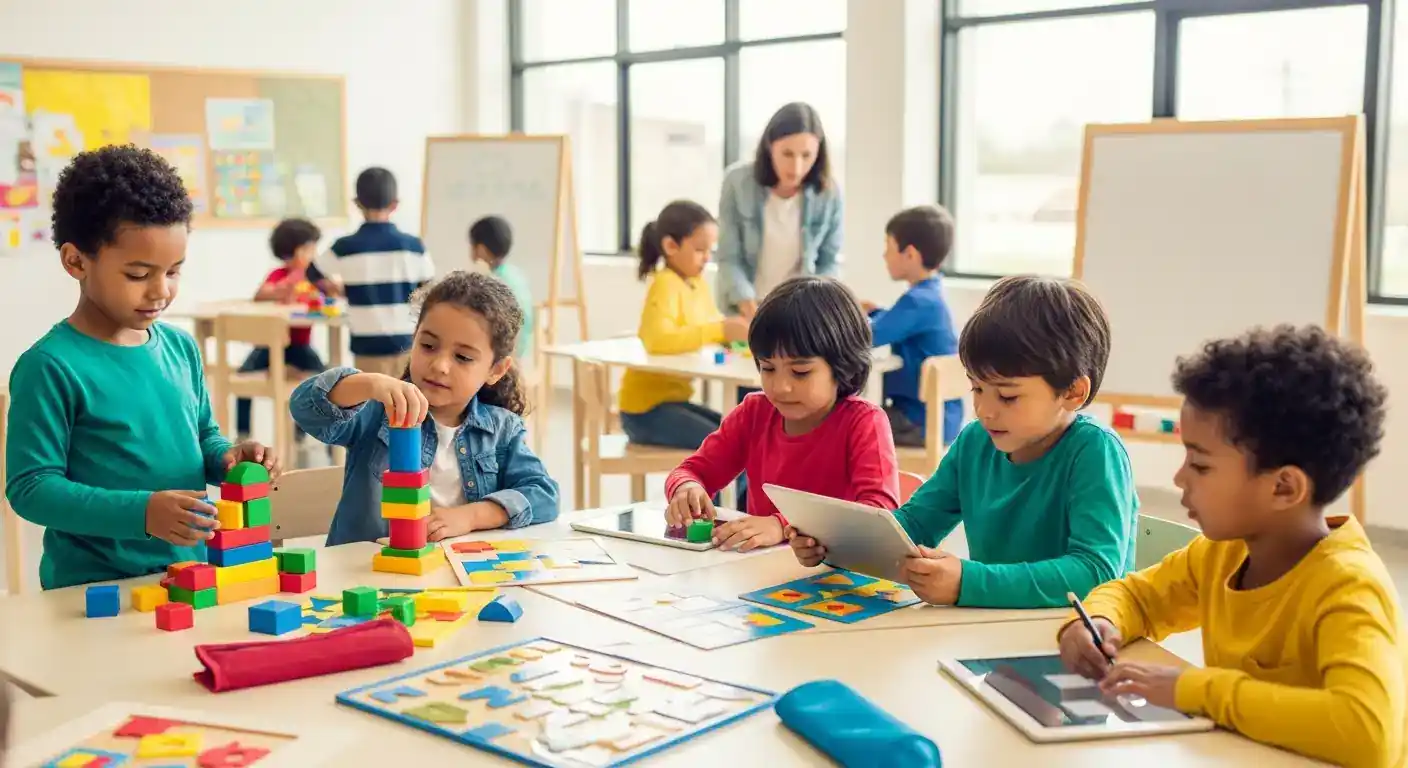
Developing Strong Study Habits: Essential Strategies for Academic Excellence in Children
For many parents and educators, fostering a child's academic success is a top priority. The journey toward academic excellence isn't just about innate intelligence; it's profoundly shaped by the foundational skills a child develops. Central to this is developing strong study habits, which serve as the bedrock for effective learning, critical thinking, and long-term retention. These habits empower children to navigate their schoolwork with confidence, manage their time efficiently, and build a lifelong love for learning. This guide explores essential strategies to cultivate these crucial habits, ensuring children are well-equipped to thrive not only in school but in all future endeavors.
Key Points for Developing Strong Study Habits:
- Consistency is Key: Establish a predictable routine for study and homework.
- Active Learning: Encourage engagement through questioning and summarizing, not just passive reading.
- Optimal Environment: Create a dedicated, distraction-free space for learning.
- Time Management: Teach children to prioritize tasks and allocate time effectively.
- Parental Support: Offer guidance and encouragement without doing the work for them.
The Blueprint for Academic Achievement: Understanding Strong Study Habits
Developing strong study habits is more than just telling a child to "study." It involves a structured approach that encompasses environment, routine, and effective learning techniques. These habits are the internal framework that allows children to approach learning systematically, reducing stress and improving outcomes. They are not merely about completing assignments, but about internalizing information and applying knowledge.
Why Early Habit Formation Matters for Lifelong Learning
The habits children form in their early academic years often dictate their approach to learning throughout life. Starting early with consistent study routines can prevent future struggles with time management and comprehension. Educational psychologists, such as those cited in a 2024 study by the Child Development Research Group, emphasize that "early establishment of self-regulation and goal-setting behaviors, often through structured study routines, significantly predicts academic resilience and future educational attainment." This suggests that the sooner children begin to understand how to learn effectively, the better prepared they will be for increasingly complex academic demands. Furthermore, these foundational habits teach self-discipline and responsibility—traits invaluable beyond the classroom.
Creating an Optimal Study Environment
A dedicated and distraction-free study space is crucial for fostering concentration. This doesn't necessarily mean an elaborate home office; it could be a quiet corner of a room, a consistent spot at the kitchen table, or even a specific area in the library. The key is its consistency and lack of interruptions. Ensure the space is well-lit, organized, and equipped with necessary supplies. Removing digital distractions, like phones and unnecessary tabs on computers, is also vital. A 2023 report from the Learning Environment Institute highlighted that "students with a designated, organized, and quiet study zone showed a 15% increase in focus duration compared to those studying in ad-hoc, high-distraction environments."
Cornerstone Strategies for Developing Strong Study Habits
To truly cultivate academic excellence, children need practical strategies they can implement daily. These strategies move beyond simply having a quiet space to actively engaging with learning material in productive ways.
Mastering Time Management with a Consistent Routine
Establishing a predictable daily and weekly routine is paramount for effective learning. A consistent schedule helps children anticipate study time, reducing procrastination and mental friction. It's about setting specific times for homework, study, and breaks, and sticking to them. For example, after-school snacks, then an hour of homework, followed by playtime. This structure teaches children valuable time management techniques and helps them develop a sense of responsibility. You can explore more on effective time management for kids by visiting our dedicated category: [/categories/time-management-techniques]. Teaching children to break down larger tasks into smaller, manageable chunks is also a skill that will benefit them throughout their academic careers.
Engaging Learning: Active Recall and Effective Note-Taking
Passive reading is often ineffective. Encourage active learning techniques that prompt children to engage with the material. Active recall, where children test themselves on what they've learned without looking at notes, significantly boosts memory retention. Simple flashcards, self-quizzing, or explaining concepts in their own words are excellent methods. Coupled with this, teaching effective note-taking skills helps children synthesize information. Rather than just copying, encourage them to summarize, use bullet points, and highlight key ideas. For younger children, this might involve drawing pictures or creating mind maps.
The Power of Regular Review and Practice
Information retention is greatly enhanced by regular review, not just cramming before tests. Encourage short, frequent review sessions rather than long, infrequent ones. Spaced repetition—reviewing material at increasing intervals—is a scientifically proven method to solidify learning. This could mean a quick recap of the day's lessons before bed or a weekly review of all subjects. Practice problems and exercises also reinforce understanding, helping children apply theoretical knowledge.
Parental Guidance: Nurturing Academic Excellence
Parents play an indispensable role in developing strong study habits. Their support, encouragement, and active involvement create a positive learning environment that can significantly impact a child's academic journey.
Fostering Independence and Self-Discipline
While guidance is essential, it's equally important to foster independence. Allow children to take ownership of their studies, even if it means making small mistakes along the way. Your role is to provide the tools and framework, not to do the work for them. Encourage problem-solving and critical thinking. When a child struggles, guide them to find solutions rather than providing immediate answers. This builds self-reliance and the crucial skill of self-advocacy.
Effective Communication and Constructive Feedback
Open communication about academic progress, challenges, and successes is vital. Create a safe space where your child feels comfortable discussing their difficulties without fear of judgment. Provide constructive feedback that focuses on effort and process rather than just outcomes. Instead of "You got a bad grade," try "Let's look at where you struggled on this assignment and figure out a new strategy." This approach reinforces a growth mindset and encourages perseverance.
Differentiated Insight: Cognitive Load and Optimal Study Pacing
Recent research in educational psychology, including insights from Dr. Sarah Jenkins in her 2025 book "Learning Smart," highlights the importance of managing cognitive load for optimal learning. Children's attention spans and processing capabilities are finite. Overwhelming them with too much information or too long a study session can be counterproductive. Optimal study pacing means incorporating short, focused study blocks (e.g., 25-30 minutes for older children, 10-15 minutes for younger ones) followed by brief breaks. This allows the brain to process information and prevents burnout. Understanding and implementing these breaks helps children maintain focus and absorb more effectively, rather than just passively spending time.
Addressing Common Challenges in Habit Formation
Even with the best intentions, children and parents will encounter obstacles when developing strong study habits. Anticipating and addressing these challenges proactively can make a significant difference.
Minimizing Distractions and Enhancing Focus
Distractions are an inevitable part of a child's world, especially with increasing access to technology. Establishing clear rules around screen time during study hours and creating a "digital-free zone" can be highly effective. For children who struggle with focus, techniques like the Pomodoro Technique (focused work bursts followed by short breaks) can be adapted. Also, understanding the crucial role of adequate sleep can significantly impact a child's ability to concentrate and retain information. Learn more about its benefits at [/articles/the-importance-of-sleep-for-student-success].
Cultivating a Growth Mindset and Resilience
Mistakes and setbacks are part of learning. Help your child develop a growth mindset, where challenges are seen as opportunities for improvement rather than failures. Praise effort and perseverance over innate ability. When they encounter a difficult subject, frame it as "a chance to learn something new" rather than "something you're not good at." This resilience is key for long-term academic success. For instance, if a child struggles with reading comprehension, focusing on strategies for improving reading comprehension rather than the grade itself can be transformative. Check out more ideas here: [/articles/boosting-reading-comprehension-for-elementary-students].
Differentiated Insight: Personalized Learning Approaches in Practice
The rise of personalized learning environments and adaptive technologies presents new avenues for developing strong study habits. Beyond traditional methods, consider how tailored approaches can benefit your child. For example, some children thrive with visual aids, others with auditory explanations, and some through kinesthetic activities. Educational platforms now offer adaptive learning paths that adjust to a child's pace and style, providing targeted practice where it's needed most. This customized approach can make learning more engaging and effective, turning potential struggles into focused growth opportunities based on individual needs.
Frequently Asked Questions (FAQs)
How can I motivate my child to develop strong study habits?
Motivation often stems from relevance and success. Help your child see the "why" behind their studies. Celebrate small achievements, allow them to choose aspects of their study routine, and link learning to their interests. Make study time a positive experience, not a punishment, by incorporating breaks and rewards.
What is the ideal duration for a study session for a 7-year-old?
For a 7-year-old, study sessions should be short and focused, typically 10-15 minutes at a time. It's more effective to have several short sessions with breaks in between than one long, overwhelming session. Gradually increase duration as their attention span develops.
How do I help my child overcome distractions during study time?
Start by creating a dedicated, quiet study space free from toys, TV, and digital devices. Use a timer for focused work periods and scheduled breaks. If your child's mind wanders, teach them to write down distracting thoughts to address later, then refocus on their task.
When is the best time to start developing study habits in children?
It's never too early to start! Simple routines like "reading time" or "homework corner" can begin as early as preschool. By elementary school, these should evolve into more structured habits, gradually teaching independent study skills that build over time.
Cultivating a Future of Learning and Success
Developing strong study habits is an investment in your child's future, equipping them with far more than just good grades. It instills discipline, time management, problem-solving skills, and a resilient mindset that extends far beyond the classroom. By implementing these essential strategies, providing consistent support, and adapting to your child's individual needs, you are laying the groundwork for a lifetime of academic excellence and personal growth. Embrace this journey with patience and encouragement, and watch your child flourish.
What study habits have you found most effective for your children? Share your insights and tips in the comments below!
Explore More for Continued Growth:
- The Link Between Nutrition and Focus in Students
- Navigating Digital Learning Tools for Enhanced Education
- Understanding Learning Styles: Tailoring Education for Your Child