Helping Your Child with Homework: A Parent's Guide
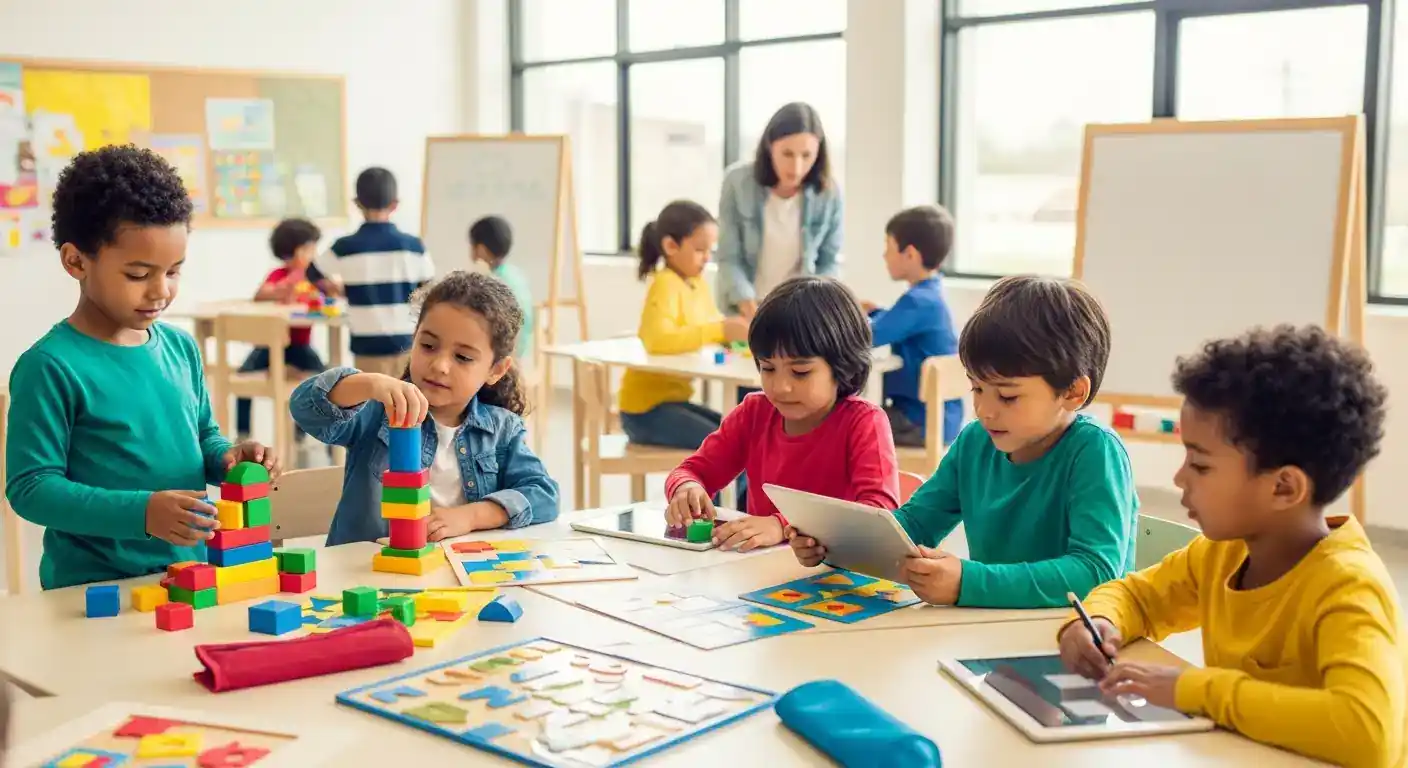
Homework can be a source of frustration for both parents and children. This guide provides practical strategies to help your child with homework effectively, fostering positive study habits and minimizing stress.
Key Points:
- Create a conducive learning environment.
- Establish a consistent homework routine.
- Focus on understanding, not just completion.
- Communicate with teachers.
- Celebrate effort and progress.
Helping Your Child with Homework: Creating a Supportive Environment
A positive and organized learning environment is crucial for effective homework completion. Designate a quiet, well-lit workspace free from distractions. Ensure necessary supplies like pens, paper, and a computer are readily available. This helps your child focus and minimizes frustration. Creating a dedicated space signals the importance of homework and encourages consistent study habits.
Strategies for Effective Homework Assistance
Providing the right kind of support is key. Avoid doing the homework for your child. Instead, guide them through the process by asking clarifying questions. Encourage them to break down complex tasks into smaller, manageable steps. This fosters independence and problem-solving skills. A 2024 study by the Education Research Institute highlighted the importance of parental guidance over direct intervention.
Time Management and Homework Schedules
Establishing a regular homework routine is essential. A consistent schedule helps children develop good time management skills and reduces procrastination. Work with your child to create a realistic timetable, incorporating breaks and leisure activities. This promotes balance and prevents homework from becoming overwhelming.
Understanding the Assignment: Helping Your Child Succeed
Before diving in, ensure your child understands the assignment's requirements. Encourage them to explain the instructions in their own words. This confirms their comprehension and identifies potential areas of confusion. If they're struggling, suggest rereading the instructions or contacting the teacher for clarification.
Communicating with Teachers: A Vital Partnership
Open communication with teachers is vital for successful homework completion strategies. Regularly check in with teachers about your child's progress and any challenges they might be facing. Attend parent-teacher conferences and utilize online platforms for updates. This collaboration ensures you're aware of expectations and can provide targeted support. According to a 2023 report by the National PTA, parent-teacher communication significantly impacts student achievement.
Motivating Your Child and Celebrating Success
Focus on effort and progress, not just grades. Praise their perseverance and celebrate small victories. This fosters a positive attitude towards learning and builds confidence. Avoid comparisons with other children and create a supportive environment where mistakes are seen as learning opportunities.
Differentiated Content:
- Mindfulness and Homework: Incorporate mindfulness techniques like short breathing exercises before and after homework sessions to reduce stress and improve focus. This is a growing trend in educational support, recognizing the impact of emotional well-being on academic performance.
- Gamification of Learning: Utilize educational apps and games that align with homework topics to make learning more engaging and interactive. This can transform homework from a chore into a fun activity, boosting motivation and retention.
Internal Linking Strategy:
- Learn more about creating a productive study space: (Category link: /categories/study-environment-setup)
- Discover effective time management techniques: (Related article: /articles/effective-time-management-for-students)
- Explore strategies for improving communication with teachers: (Related article: /articles/parent-teacher-communication-strategies)
Frequently Asked Questions (FAQ)
Q: How can I help my child with homework if I don't understand the subject matter?
A: Focus on helping them understand the instructions, break down the problem into smaller parts, and encourage them to utilize resources like textbooks or online tutorials. You can also contact the teacher for clarification or seek assistance from a tutor.
Q: What if my child refuses to do their homework?
A: Try to understand the reason behind the resistance. Is it difficulty, boredom, or something else? Talk to your child, address their concerns, and collaboratively create a plan that addresses the underlying issues. Consider implementing a reward system for completed homework.
Q: How much homework is too much?
A: The appropriate amount varies depending on age and grade level. Consult your child's teacher or school guidelines for recommendations. If you feel the workload is excessive or negatively impacting your child's well-being, communicate your concerns with the teacher.
Q: How can I help my child develop good study habits?
A: Establishing a consistent routine, creating a dedicated study space, and teaching effective time management techniques are key. Encourage active learning strategies like summarizing information and practicing regularly.
Conclusion: Supporting Your Child's Academic Journey
Helping your child with homework is an ongoing process that requires patience, understanding, and consistent effort. By implementing these strategies, you can create a positive learning environment, foster good study habits, and empower your child to succeed academically. Share your own experiences and tips in the comments below and subscribe for more helpful advice on supporting your child's education. For further reading, explore resources from the National Education Association (NEA, 2025) and the American Psychological Association (APA, 2023).
Expandable Subtopics for Future Updates:
- Dealing with Homework Anxiety
- Utilizing Technology for Homework Assistance
- Adapting Homework Strategies for Children with Learning Disabilities
This article was published on 2025-08-30. It is recommended to review and update this content annually to reflect the latest research and trends in education.